List of Commonly Used Medications in Aged Care
Drugs, the most common medical intervention, are an important part of medical care for older people. Without drugs, many older people would function less well or die at an earlier age.
Older people tend to take more drugs than younger people because they are more likely to have more than one chronic medical disorder, such as high blood pressure, diabetes, or arthritis. Most drugs used by older people for chronic disorders are taken for years. Other drugs may be taken for only a short time to treat such problems as infections, some kinds of pain, and constipation. Almost 90% of older adults regularly take at least 1 prescription drug, almost 80% regularly take at least 2 prescription drugs, and 36% regularly take at least 5 different prescription drugs. When over-the-counter and dietary supplements are included, these rates are even higher. Older people who are frail, hospitalized, or in a nursing home take the most drugs. Nursing home residents are prescribed multiple different drugs to take on a regular basis.
Many of the improvements in the health and function of older people during the past several decades can be attributed to the benefits of drugs.
-
Vaccines help prevent many infectious diseases (such as influenza and pneumonia) that once killed many older people.
-
Antibiotics are often effective in treating serious infections, including pneumonia.
-
Drugs to control high blood pressure (antihypertensives) help prevent strokes and heart attacks.
-
Drugs to control blood sugar levels (insulin and other antihyperglycemic drugs) enable millions of people with diabetes to lead normal lives. These drugs also reduce the risk of eye and kidney problems that diabetes can cause.
-
Drugs to control pain and other symptoms enable millions of people with arthritis to continue to function.
Older people are more susceptible to the side effects of drugs for several reasons:
-
Older people usually take more drugs and have more disorders.
-
Fewer studies have been done in older people to help identify appropriate doses of drugs.
-
Older people are more likely to have chronic medical disorders that may be worsened by drugs or that may affect how the drugs work.
Because of these age-related changes, many drugs tend to stay in an older person's body much longer, prolonging the drug's effect and increasing the risk of side effects. Therefore, older people often need to take smaller doses of certain drugs or perhaps fewer daily doses. For example, digoxin, a drug sometimes used to treat certain heart disorders, dissolves in water and is eliminated by the kidneys. Because the amount of water in the body decreases and the kidneys function less well as people age, digoxin concentrations in the body may be increased, resulting in a greater risk of side effects (such as nausea or abnormal heart rhythms). To prevent this problem, doctors may use a smaller dose. Or sometimes other drugs can be substituted.
Older people are more sensitive to the effects of many drugs. For example, older people tend to become sleepier and are more likely to become confused when using certain antianxiety drugs (see table Drugs Used to Treat Anxiety Disorders Drugs Used to Treat Anxiety Disorders Anxiety is a feeling of nervousness, worry, or unease that is a normal human experience. It is also present in a wide range of psychiatric disorders, including generalized anxiety disorder,... read more ) or sleep aids to treat insomnia Treatment The most commonly reported sleep-related problems are insomnia and excessive daytime sleepiness. Insomnia is difficulty falling asleep or staying asleep, waking up early, or a disturbance in... read more . Some drugs that lower blood pressure Drug Treatment of High Blood Pressure High blood pressure is very common. It often does not cause symptoms; however, high blood pressure can increase the risk of stroke, heart attacks, and heart failure. Therefore, it is important... read more tend to lower blood pressure much more dramatically in older people than in younger people. Larger decreases in blood pressure can lead to side effects such as dizziness, light-headedness, and falls. Older people who have such side effects should discuss them with their doctor.

Many commonly used drugs have anticholinergic effects Anticholinergic: What Does It Mean? Drugs, the most common medical intervention, are an important part of medical care for older people. Without drugs, many older people would function less well or die at an earlier age. Older... read more 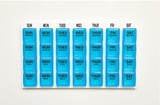 . These drugs include some antidepressants (amitriptyline and imipramine), many antihistamines (such as diphenhydramine, contained in over-the-counter sleep aids, cold remedies, and allergy drugs), and many antipsychotics (such as chlorpromazine and clozapine). Older people, particularly those with memory impairment, are particularly susceptible to anticholinergic effects, which include confusion, blurred vision, constipation, dry mouth, and difficulty starting to urinate. Some anticholinergic effects, such as reduction of tremor (as in the treatment of Parkinson disease) and reduction of nausea, are desirable, but most are not.
A drug may have a side effect because it interacts with
-
A disorder, symptom, or condition other than the one for which the drug is being taken (drug–disease interaction)
-
Another drug (drug–drug interaction)
-
Food (drug–food interaction)
Patients, doctors, and pharmacists can take steps to reduce the risk of drug–disease and drug–drug interactions. Because over-the-counter drugs and medicinal herbs can interact with other drugs, people should ask their doctor or pharmacist about combining the use of these drugs with prescription drugs.
Older people and the people who care for them can do many things to maximize the benefits and reduce the risks of taking drugs. Any questions about or problems with a drug should be discussed with a doctor or pharmacist. Taking drugs as instructed and communicating with health care providers is essential for avoiding problems and promoting good health.
Know about the drugs and disorders being treated:
-
Keep a list of all medical problems and drug allergies.
-
Keep a list of all drugs being taken, including over-the-counter drugs and supplements, such as vitamins, minerals, and medicinal herbs.
-
Learn why each drug is taken and what its benefits are supposed to be.
-
Learn what side effects each drug may have and what to do if a side effect occurs.
-
Learn how to take each drug, including what time of day it should be taken, whether it can be taken with food, or taken at the same time as other drugs, and when to stop taking the drug.
-
Learn what to do if a dose is missed.
-
Write down information about how to take the drug or ask the doctor, nurse, or pharmacist to write it down (because such information can easily be forgotten).
Use drugs correctly:
-
Take drugs as instructed.
-
Use memory aids, such as a medication organizer, to take drugs as instructed.
-
Before stopping a drug, consult the doctor about any problems—for example, if side effects occur, if the drug does not seem to work, or if the cost of the drug is burdensome.
-
Discard any unused drug from a previous prescription, unless instructed not to do so by a doctor, nurse, or pharmacist.
-
When discarding a drug, follow the disposal instructions on the label, review the information at the Food and Drug Administration's web site, take drugs to an authorized disposal center (possibly at a pharmacy or local law enforcement site), or mix the drug with kitty litter or coffee grounds, tightly wrap in plastic or a similar material, place in a sealable or watertight container or bag, and discard in the trash.
-
Do not take another person's drug, even if that person's problem seems similar.
-
Check the expiration date on drugs, and do not use the drug if it has expired.
Work closely with the doctor and pharmacist:
-
Get all prescriptions from the same pharmacy, preferably one that provides comprehensive services (including checking for possible drug interactions) and that maintains a complete drug profile for each person.
-
Bring all drugs being taken to medical appointments if requested to do so.
-
Periodically discuss the list of drugs being taken and the list of disorders with the doctor, nurse, or pharmacist to make sure the drugs are correct and should be continued. For example, people can test themselves by telling their health care providers how they are supposed to take all drugs and asking whether what they have said is correct.
-
Review the list of drugs with the doctor, nurse, or pharmacist every time a drug is changed (doctors and pharmacists can check for interactions between drugs).
-
Make sure the doctor and pharmacist know about all over-the-counter drugs and supplements being taken, including vitamins, minerals, and medicinal herbs.
-
Consult the doctor before taking any new drugs, including over-the-counter drugs and supplements.
-
Report to the doctor or pharmacist any symptoms that might be related to the use of a drug (such as new or unexpected symptoms).
-
If the schedule of taking drugs is too complex to follow, ask the doctor or pharmacist about simplifying it.
-
If seeing more than one doctor, make sure each doctor knows all the drugs being taken.
-
Ask the pharmacist to print the label in large print, and check to make sure it can be read.
-
Ask the pharmacist to package the drug in containers that are easy to hold and to open.
To benefit from taking drugs, people must remember not only to take their drugs but also to take them at the right time and in the right way. When several drugs are taken, the schedule for taking them can be complex. For example, drugs may have to be taken at different times throughout the day to avoid interactions. Some drugs may have to be taken with food. Other drugs have to be taken when no food is in the stomach. The more complex the schedule, the more likely people are to make mistakes. For example, bisphosphonates (such as alendronate, risedronate, and ibandronate), which are used to increase bone density, need to be taken on an empty stomach and with only water (at least a full glass). If these drugs are taken with other liquids or food, they are not absorbed well and do not work effectively.
If older people have memory problems, following a complex schedule is even harder. Such people usually need help, often from family members. The doctor can be asked about simplifying the schedule. Often, doses can be rescheduled to make taking the drugs more convenient or reduce the total number of daily doses. Also, over time, some drugs may not be needed any longer and can be stopped.
The following things can help people remember to take their drugs as prescribed:
-
Memory aids
-
Drug containers
-
Smartphone apps
Memory aids can help older people remember to take their drugs. For example, taking a drug can be associated with a specific daily task, such as eating a meal.
A pharmacist can provide containers that help people take drugs as instructed. Daily doses for 1 week or 2 weeks may be packaged in a plastic pack marked with the days or with the times of the day, so that people can keep track of doses taken by noting the empty spaces. Some pharmacies can package drugs in blister packs, so that the daily dose can be easily removed and kept track of. However, such packaging may cost a little more. Additionally, many pharmacies can adjust refill schedules so that regularly used drugs are picked up on a single day each month. This decreases confusion, helps reduce trips to the pharmacy, and minimizes mistakes filling pill organizers.
More elaborate containers with a computerized reminder system are available. These containers beep, flash, or talk at dosing time.
Apps that help people manage their drugs can be downloaded to multiple smartphones and tablets. These apps can help older people or their family members remember to take their drugs on time. Many of these apps include reminder alerts, which are sent to the device. Some of these apps may cost money.
The following English-language resources may be useful. Please note that THE MANUAL is not responsible for the content of these resources.
| Generic Name | Select Brand Names |
|---|---|
| clidinium/chlordiazepoxide | LIBRAX |
| dexchlorpheniramine | No US brand name |
| methyltestosterone | TESTRED |
| dexbrompheniramine | Dexbrompheniramine |
| chlorpheniramine | CHLOR-TRIMETON |
| prochlorperazine | COMPRO |
| chlordiazepoxide | LIBRIUM |
| cyclobenzaprine | AMRIX |
| brompheniramine | VELTANE |
| nitrofurantoin | FURADANTIN, MACROBID, MACRODANTIN |
| mefenamic acid | PONSTEL |
| chlorpropamide | DIABINESE |
| Metoclopramide | REGLAN |
| carbinoxamine | KARBINAL ER |
| rosiglitazone | AVANDIA |
| protriptyline | VIVACTIL |
| nortriptyline | AVENTYL |
| pentobarbital | NEMBUTAL SODIUM |
| methocarbamol | ROBAXIN |
| chlorzoxazone | PARAFON FORTE DSC |
| triprolidine | Triprolidine |
| secobarbital | SECONAL |
| testosterone | DELATESTRYL |
| rivastigmine | EXELON |
| indomethacin | INDOCIN |
| aripiprazole | ABILIFY |
| orphenadrine | NORFLEX |
| promethazine | PROMETHEGAN |
| pioglitazone | ACTOS |
| trimipramine | Trimipramine |
| carisoprodol | SOMA |
| butabarbital | Butabarbital |
| Desmopressin | DDAVP, STIMATE |
| clomipramine | ANAFRANIL |
| Dipyridamole | PERSANTINE |
| risedronate | ACTONEL |
| alendronate | FOSAMAX |
| hydroxyzine | VISTARIL |
| scopolamine | TRANSDERM SCOP |
| haloperidol | HALDOL |
| thiothixene | NAVANE |
| dronedarone | MULTAQ |
| ibandronate | BONIVA |
| benztropine | COGENTIN |
| galantamine | RAZADYNE |
| dicyclomine | BENTYL |
| desipramine | NORPRAMIN |
| eszopiclone | LUNESTA |
| homatropine | TUSSIGON |
| clorazepate | TRANXENE |
| risperidone | RISPERDAL |
| glimepiride | AMARYL |
| metoprolol | LOPRESSOR, TOPROL-XL |
| alprazolam | XANAX |
| methyldopa | No brand name |
| butalbital | Butalbital |
| cimetidine | TAGAMET |
| metaxalone | SKELAXIN |
| imipramine | TOFRANIL |
| diclofenac | CATAFLAM, VOLTAREN |
| guanfacine | TENEX |
| ketoprofen | NEXCEDE |
| fenoprofen | NALFON |
| Amiodarone | CORDARONE |
| quetiapine | SEROQUEL |
| clemastine | TAVIST-1 |
| clonazepam | KLONOPIN |
| Cilostazol | PLETAL |
| olanzapine | ZYPREXA |
| famotidine | PEPCID |
| Meperidine | DEMEROL |
| doxylamine | UNISOM |
| ranitidine | ZANTAC |
| paroxetine | PAXIL |
| carvedilol | COREG |
| nizatidine | AXID |
| Nifedipine | ADALAT CC, PROCARDIA |
| Megestrol | MEGACE |
| temazepam | RESTORIL |
| clonidine | CATAPRES |
| ibuprofen | ADVIL, MOTRIN IB |
| Estrogens | Estrogens |
| meloxicam | MOBIC |
| donepezil | ARICEPT |
| verapamil | CALAN |
| clozapine | CLOZARIL |
| doxazosin | CARDURA |
| meclizine | ANTIVERT |
| triazolam | HALCION |
| diltiazem | CARDIZEM, CARTIA XT, DILACOR XR |
| oxaprozin | DAYPRO |
| glyburide | DIABETA, GLYNASE |
| celecoxib | CELEBREX |
| lorazepam | ATIVAN |
| terazosin | HYTRIN |
| piroxicam | FELDENE |
| ketorolac | SPRIX |
| atropine | ATROPEN |
| naproxen | ALEVE, NAPROSYN |
| diazepam | VALIUM |
| zaleplon | SONATA |
| warfarin | COUMADIN |
| quazepam | DORAL |
| atenolol | TENORMIN |
| zolpidem | AMBIEN |
| prazosin | MINIPRESS |
| sulindac | CLINORIL |
| doxepin | ZONALON |
| digoxin | LANOXIN |
List of Commonly Used Medications in Aged Care
Source: https://www.merckmanuals.com/home/older-people%E2%80%99s-health-issues/aging-and-drugs/aging-and-drugs
0 Response to "List of Commonly Used Medications in Aged Care"
Post a Comment